
What Materials Are Best for Custom Candle Packaging?
- What Materials Are Best for Custom Candle Packaging?
- Best Candle Packaging Materials by Use Case
- How to Choose the Right Candle Packaging Material?
- Paperboard and Cardstock for Candle Packaging
- Kraft Board for Eco-Friendly Candle Packaging
- Rigid Board for Luxury Candle Boxes
- Corrugated Board for Shipping and Heavy Jar Candles
- Best Material by Candle Type
- Best Candle Packaging Material by Sales Channel
- Inserts With Candle Packaging: Need And Purpose
- Best Printing and Finishing Options for Candle Packaging Materials
- Are Eco-Friendly Candle Packaging Materials Really Sustainable?
- Common Mistakes When Choosing Candle Packaging Materials
- Final Words
- FAQs
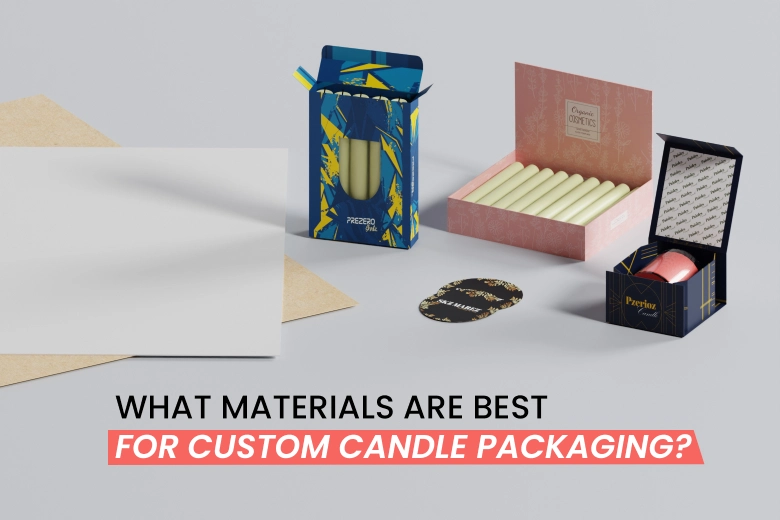
The best materials known for custom candle packaging are paperboard (SBS), kraft board, rigid board, and corrugated board, but the truth is the right choice depends very little on the material name and more on how you are going to pack, ship, and sell your candles.
In real packaging work, material decisions are hardly made on their own. Like, a lightweight candle in a tin can perform perfectly in a simple folding carton, whereas a heavy glass jar can break inside the same box if it travels through courier networks. This is where many brands make mistakes as they choose packaging based on looks, not on how the product behaves when they ship.
From actual production and shipping experience, the right material comes down to a balance of weight, fragility, and purpose. Is the box meant to sit on a retail shelf, or survive delivery?
Best Candle Packaging Materials by Use Case
| Material | Best Use Case |
| SBS / Premium Paperboard | Retail cartons where print quality and clean presentation matter |
| Kraft Board | Eco-focused branding with simple, natural designs |
| Rigid Board | Gift candles, premium collections, PR packaging |
| Corrugated Board | Shipping, heavy glass jars, subscription boxes |
| Molded Pulp / Paper Inserts | Cushioning fragile candles without plastic |
How to Choose the Right Candle Packaging Material?
Candle Type and Vessel
The container matters more than most people expect. Glass jars create pressure points during drops, which makes them more vulnerable to cracks. Tins, on the other hand, distribute impact better and need less structural support. That is why jar candles almost always require additional protection.
Product Weight
Weight changes everything in packaging. Candles under 200–250 grams are usually safe in standard paperboard cartons. Once you move toward larger, multi-wick candles, the load on the box increases, and folding cartons alone start to struggle without reinforcement.
Fragility and Breakage Risk
Breakage is rarely a retail problem; it happens during handling and shipping. In several shipping tests, retail-ready cartons performed well on shelves but failed once stacked, dropped, or compressed in transit. This is why inserts and outer packaging become necessary for fragile products.
Retail Display vs Shipping
It is a common mistake to try to make one box handle both display and shipping at the same time. In practice, most reliable setups use two layers: a clean retail box for presentation and a corrugated candle shipping box for protection.
Sustainability Goals
Choosing eco-friendly materials goes beyond switching to kraft. The full setup matters, including materials, inserts, inks, and finishes; all play a role. For example, if you use a kraft box and then put the plastic foam inside, it ruins the whole concept of the sustainability claim.
Print/Finish Requirements
If your design relies on sharp colors, gradients, or fine text, coated paperboard performs much better than kraft. Kraft works best when the design is simple and intentional.
Budget Constraints
Material choice directly impacts cost. Luxury candle boxes made from rigid can cost several times more than folding cartons, which makes them suitable for premium products but not always for everyday retail lines.
Paperboard and Cardstock for Candle Packaging
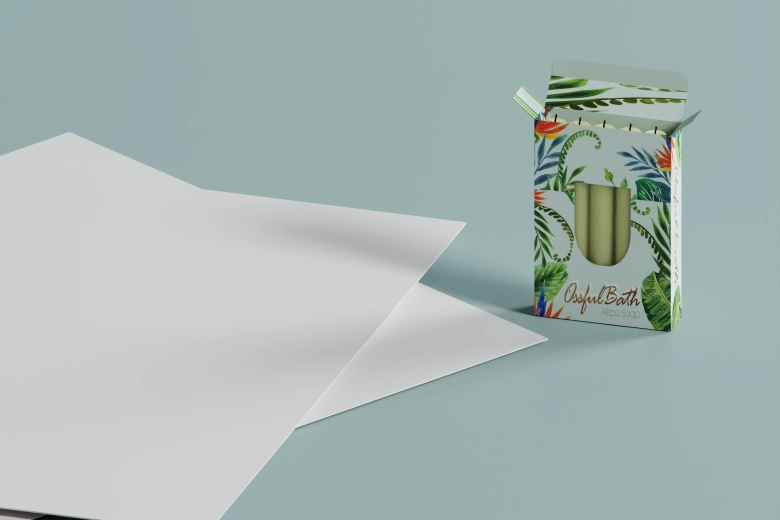
Paperboard is the most commonly used material for retail candle packaging because it offers a good balance between cost, structure, and print quality. It works especially well for tuck-end boxes, sleeves, and display cartons.
Like, in your candle packaging project, if you switch from kraft to coated paperboard it will improve color consistency. The result will be noticeably cleaner and more aligned with your visual identity. However, if you use the same boxes for shipping heavier glass candles, damage starts to appear.
The solution is not changing the material again, but you can adjust the structure, add a die-cut insert, and use a corrugated outer carton. This highlights an important point: paperboard works well, but it often needs support when dealing with heavier or fragile candles.
To see how different materials translate into actual packaging styles and visuals, you can explore these candle packaging ideas for inspiration.
Kraft Board for Eco-Friendly Candle Packaging
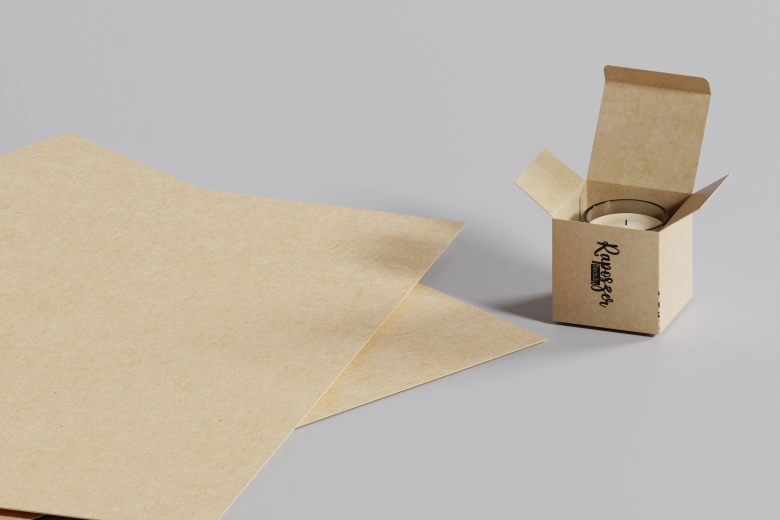
Kraft board is often chosen for its natural look and eco positioning. It works best for brands that want a simple, honest presentation without relying on heavy printing or finishes.
From production experience, Kraft performs well for lightweight to medium-weight candles, especially in handmade or organic product lines. However, it does come with limitations. Colors appear less vibrant, and fine design details may not reproduce as sharply as they do on coated paperboard.
In one project, a brand attempted a detailed, gradient-heavy design on kraft. The result looked dull compared to expectations. After simplifying the artwork and focusing on bold typography, the packaging looked far more intentional and aligned with the material.
Rigid Board for Luxury Candle Boxes
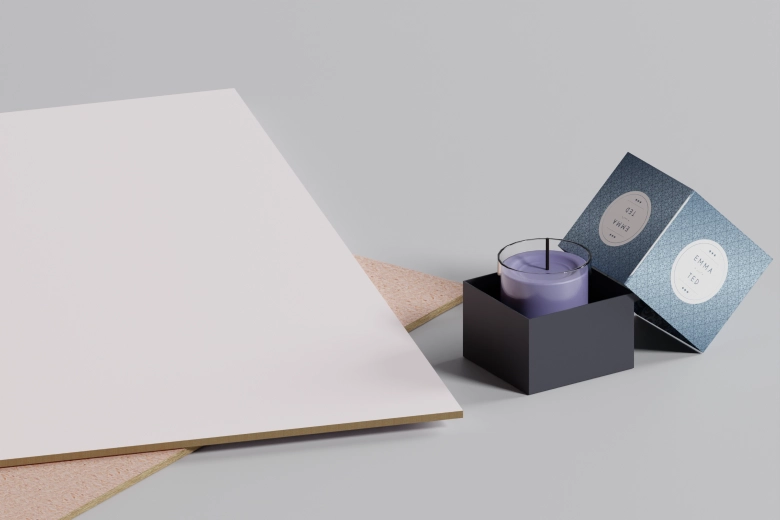
A rigid board is used when packaging needs to communicate value before the product is even opened. It is thicker, more structured, and often associated with premium or gift-ready products.
This material is commonly used for magnetic boxes, drawer-style packaging, and two-piece candle boxes for gifting. It creates a strong unboxing experience, which is why it is popular for influencer kits and limited-edition collections.
However, rigid packaging comes with trade-offs. It increases cost, takes up more storage space, and slows down packing compared to folding cartons. For this reason, most brands use it selectively rather than across their entire product range.
Corrugated Board for Shipping and Heavy Jar Candles
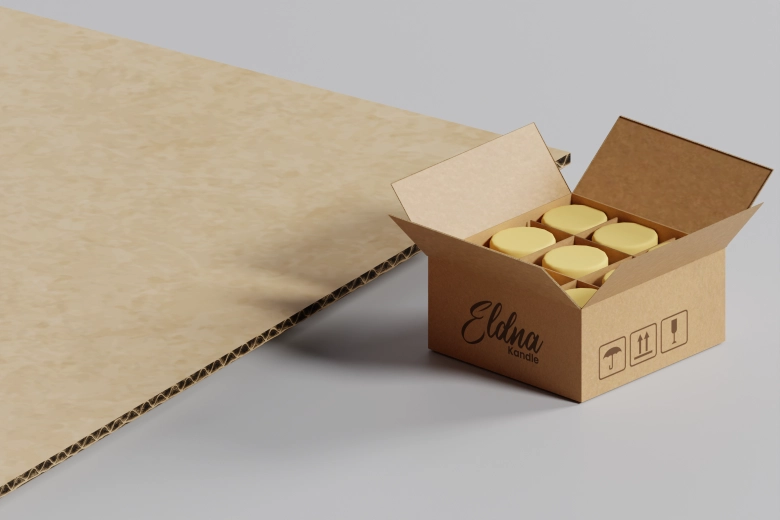
Corrugated boards play a different role from other materials. It is not primarily about presentation but is about protection.
In e-commerce shipments, corrugated packaging consistently performs better under pressure, stacking, and drops. In one case, switching from a single-wall to a double-wall corrugated box significantly reduced breakage rates for large glass candles.
Corrugated boxes are often used as outer packaging, with the retail box placed inside. While they can be printed for branding purposes, their main purpose is to ensure the product arrives safely.
Best Material by Candle Type
Jar Candles
Jar candles require the most attention because of their fragility. A paperboard retail box works for display, but inserts and outer corrugated packaging are usually needed if you need to ship them.
Tin Candles
Tin candles are more durable and can be packed in paperboard or kraft boxes without much concern for breakage.
Pillar Candles
Pillar candles are relatively stable and can be packaged using simple folding cartons like pillar candle boxes, depending on the desired look.
Votive Candles
Votive candles are lightweight and easy to pack. Simple cartons or sleeves are usually enough.
Wax Melts and Small Sets
These products benefit from structured packaging that keeps items separated. Inserts or partitions help maintain organization and presentation.
Luxury Gift Candles
Luxury candles are best suited for rigid packaging, which upgrades presentation and supports gifting.
Best Candle Packaging Material by Sales Channel
Retail Shelf
Retail packaging should focus on visual clarity and brand presentation as it needs to look clean and professional to get noticed. For this purpose, paperboard and kraft are ideal choices.
E-commerce Shipping
Shipping requires stronger materials. Corrugated boxes combined with inserts provide the best protection. They will absorb shocks and keep you candles secure.
Subscription Candles
For subscription packaging, candle subscription packaging boxes are the perfect option as they balance durability with a presentable look. They protect your candle while still offering a neat, presentable look when customers open the box.
Gift Packaging
Gift packaging benefits from rigid board, which creates a premium feel and a better unboxing experience.
Wholesale / Bulk Distribution
For bulk transport, corrugated cartons are the most reliable option as durability is the main demand here. They handle stacking pressure well and protect products during large-scale transport.
Inserts With Candle Packaging: Need And Purpose
Inserts are not just an add-on. They are often what prevents damage. Especially for glass candles, inserts help keep the product centered and reduce movement inside the box.
Cardboard inserts are widely used because they are cost-effective and easy to recycle. Corrugated partitions work well for multi-item packaging. Foam inserts are sometimes used for high-end packaging, but are less sustainable. Molded pulp is becoming a preferred option as it offers both protection and environmental benefits.
In many real-world cases, adding a simple insert has made more difference than upgrading the outer box material.
Best Printing and Finishing Options for Candle Packaging Materials
Material choice directly affects how printing and finishes appear. Paperboard supports a wide range of finishes, including lamination, foil stamping, and embossing, which makes it suitable for detailed branding.
Rigid boxes also handle premium finishes well and add a tactile element to the packaging. Kraft, by contrast, produces a softer and more muted result. Designs on kraft tend to work better when they are simple and aligned with its natural texture.
If you want to understand how material, structure, and visual design work together, this guide on how to design candle packaging explains the complete process step by step.
Are Eco-Friendly Candle Packaging Materials Really Sustainable?
Sustainability is often simplified in packaging discussions, but in practice, it is more nuanced. A material being recyclable does not automatically make the entire package sustainable.
It is important to consider how the packaging is used and disposed of. Recyclable materials, compostable options, and recycled content all play different roles. Clear communication matters more than broad claims.
A practical approach is to use kraft or recycled paperboard with paper-based inserts and minimal finishes. This keeps the packaging functional while supporting sustainability goals without overcomplicating the process.
Common Mistakes When Choosing Candle Packaging Materials
One of the most common mistakes is using rigid boxes for all products without considering cost and practicality. Another is relying on paperboard alone for heavy glass candles, which can lead to damage during shipping.
Some brands also try to use a single box for both retail and shipping, which rarely works well. Focusing only on appearance without considering strength is another issue. There is also a growing mismatch where brands claim sustainability but use materials or finishes that do not support it.
If you want a complete breakdown of structure, styles, and strategy, you can explore our candle packaging guide to better understand how everything fits together.
Final Words
For most retail candle packaging, paperboard remains the most practical choice due to its flexibility and print quality. Kraft works well for brands that want a natural and eco-focused look. Rigid board is best reserved for premium and gift packaging, while corrugated board is essential for shipping and protecting heavier candles.
In real-world packaging, the best solution is often a combination of materials rather than a single choice. Structure, inserts, and intended use matter just as much as the material itself.
FAQs
Q1. What is the best material for candle boxes?
Paperboard is the most versatile option for retail, while corrugated board is better suited for shipping and protection.
Q2. Is Kraft good for candle packaging?
Yes, Kraft is a strong option for eco-focused brands, especially when the design is simple and aligned with its natural look.
Q3. Do jar candles need corrugated packaging?
For shipping, they usually do. Corrugated packaging helps reduce the risk of breakage.
Q4. Are rigid boxes worth it for luxury candles?
They are worth it for premium products where presentation and gifting matter.
Q5. Which packaging material is best for shipping candles?
Corrugated board combined with inserts provides the most reliable protection.
Q6. What is the most eco-friendly candle packaging material?
Kraft or recycled paperboard paired with paper-based inserts is a practical sustainable option.
Q7. Do candle boxes need inserts?
Yes, especially for fragile candles. Inserts help prevent movement and damage.
Q8. Can candle packaging be both premium and recyclable?
Yes, by using high-quality paperboard and limiting non-recyclable finishes, brands can achieve both.
Get Free Quote
Latest Posts
-
 September 8, 2026
Cardboard Candle Boxes vs Kraft Candle Boxes: Complete Comparison -
 September 3, 2026
Rigid Candle Boxes vs Folding Cartons: Which Packaging Should You Choose? -
 September 1, 2026
Custom Candle Boxes vs Stock Candle Boxes: Which Is Better? -
 August 14, 2026
What is the Minimum Order Quantity for Candle Boxes? -
 August 12, 2026
How Long Does Custom Candle Box Production Take?